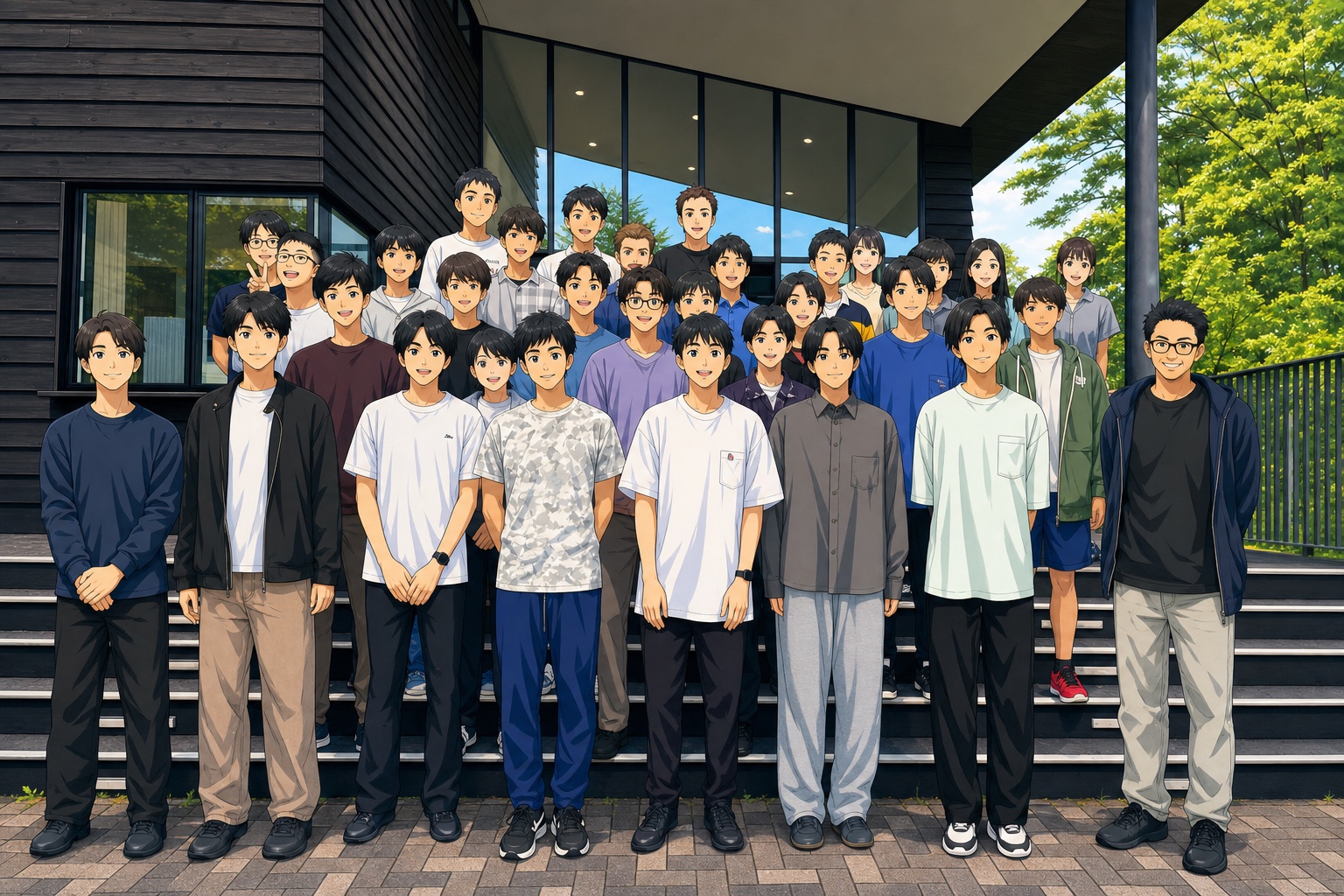
9/11-13に軽井沢セミナーハウスにて研究室合宿を行いました!
合宿ではB4、M2の卒論・修論に向けた研究進捗発表に加え、ソフトボールなどのレクリエーションを通じてメンバ同士の親睦を深めました。


9/11-13に軽井沢セミナーハウスにて研究室合宿を行いました!
合宿ではB4、M2の卒論・修論に向けた研究進捗発表に加え、ソフトボールなどのレクリエーションを通じてメンバ同士の親睦を深めました。

On June 24, 2026, we were honored to host Prof. Zhiqiang Lin (Distinguished Professor of Engineering, and Director of the Institute for Cybersecurity and Digital Trust, The Ohio State University) at our laboratory on the Nishi-Waseda campus. Prof. Lin gave a research talk followed by an open discussion with our students and invited researchers.
Title: Validated Exploits, Not LLM Claims: Runtime-Grounded Security Agents for AI-Generated Code
Abstract: AI coding agents are rapidly changing how software is produced, but they also create a new assurance problem: generated code can be deployed faster than humans can review it. This talk examines how large language models can be used not merely to flag suspicious code, but to construct evidence-backed security findings for full-stack web applications. Prof. Lin presented BuckAI, an LLM-agent pipeline for web vulnerability discovery that combines code reasoning, static analysis, automated deployment, exploit generation, and runtime validation. The central design principle is that LLMs should propose hypotheses, while validators and runtime oracles determine whether those hypotheses correspond to real, exploitable behavior. The talk covered the challenges of building such a system — the lack of runnable benchmarks, the difficulty of deploying diverse web applications, and the unreliability of LLMs as final security judges — and concluded with lessons for building trustworthy security agents and open research directions in agentic AI for software security.
We thank Prof. Lin for the stimulating talk and the lively discussions with our group, and we look forward to future collaborations.
以下の通り、研究室のオープンハウスを実施します(対面のみ)。訪問を希望する人は、以下の時間帯で研究室に来てください。事前のアポは不要です。都合が良いタイミングに訪問してください。研究室の学生が複数名待機していますので、研究室に関する説明や感想を聞いたり、質問することができます。
※本学の学生のみ、オープンハウスへの訪問が可能ですのでご留意ください。
日時:
3月17日(月) 10:00-17:00
3月18日(火) 10:00-17:00
場所:63号館5F 0517室
※教員(森)は群馬県前橋市で開催されるCSEC研究会に出張のため、両日とも不在となります
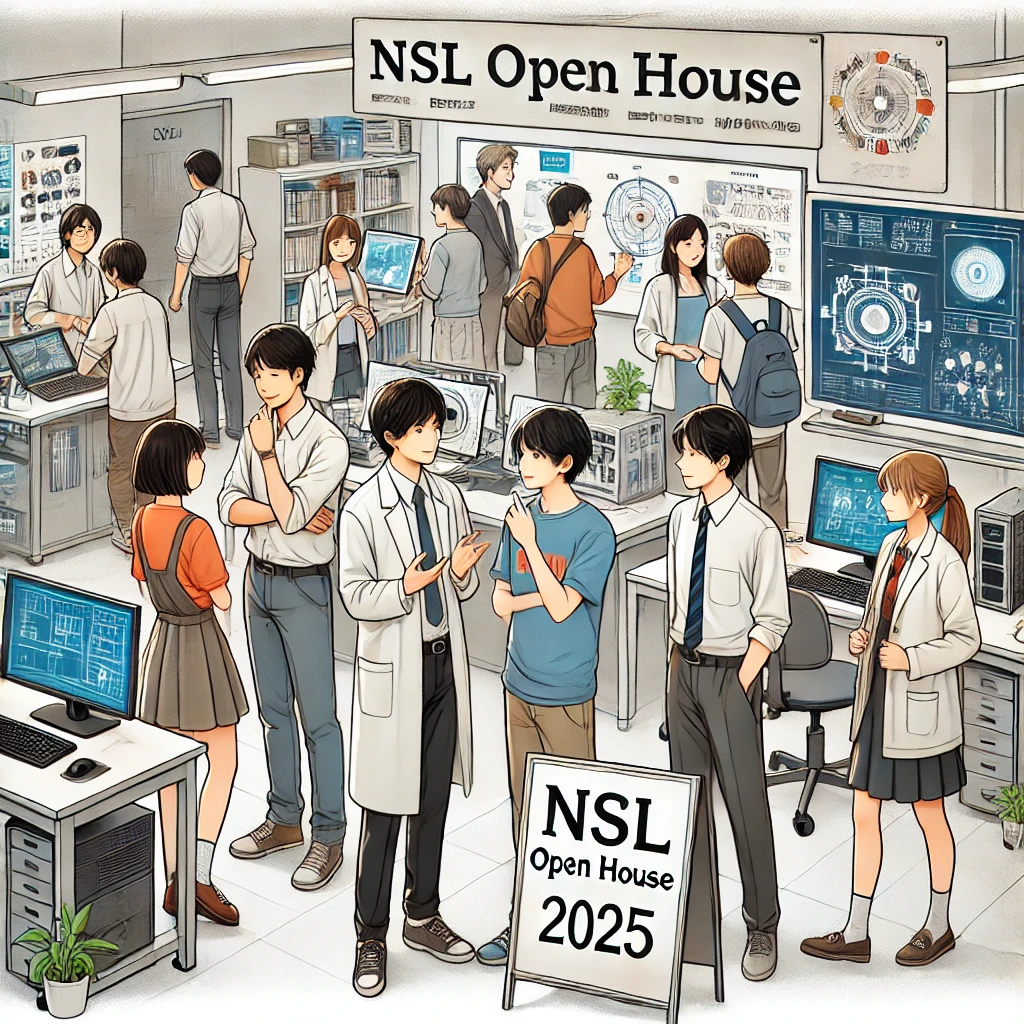
画像は生成AIによるイメージです
1月28日から31日まで小倉で開催された暗号と情報セキュリティシンポジウム(SCIS2025)にて、当研究室から6件の研究を発表しました。当日の発表の質疑応答の時間や、休憩時間等で頂きました有益なフィードバックや励ましを糧に、次の研究につなげたいと思います。
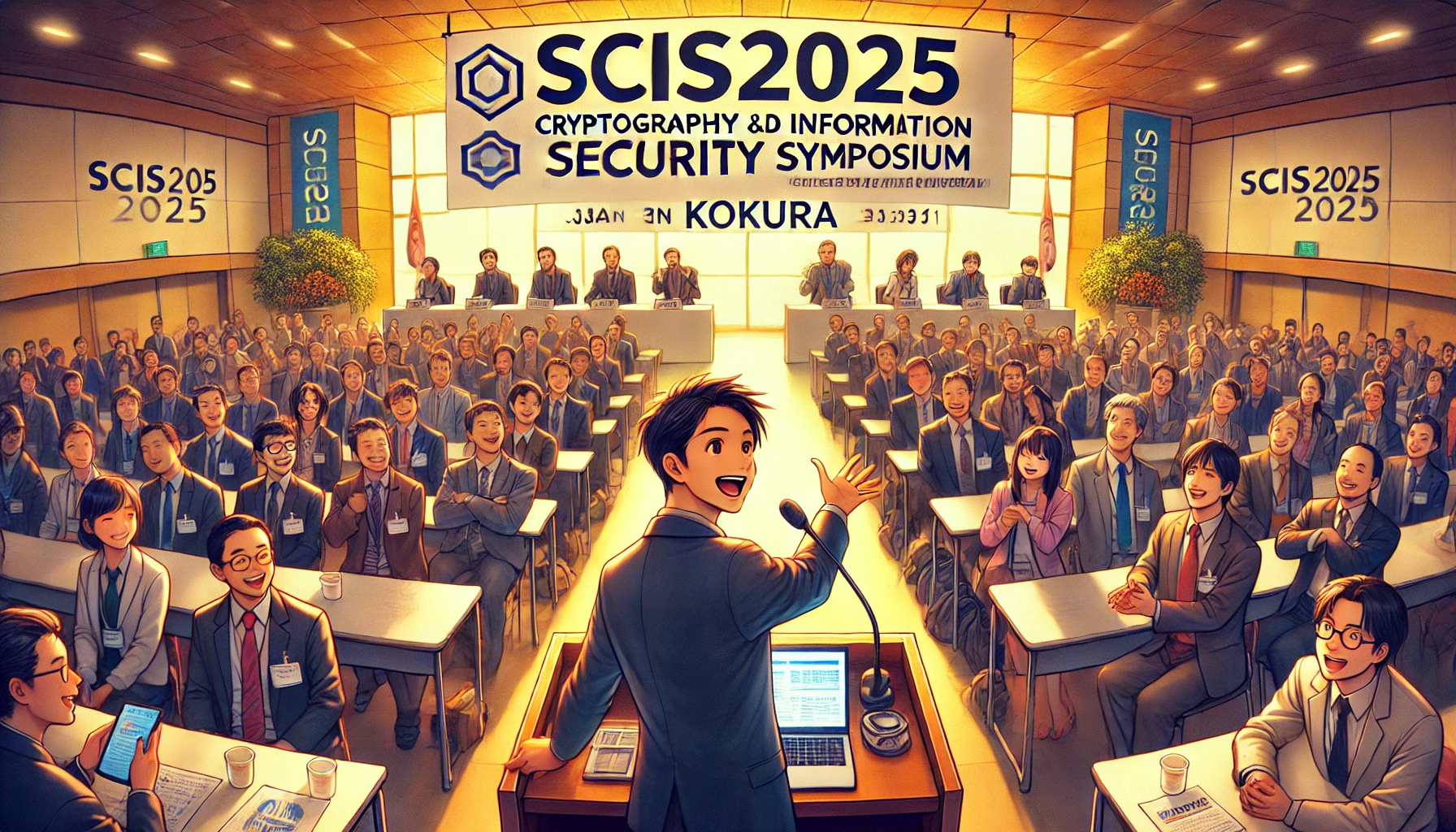
(写真を撮り忘れたので、画像は生成AIによるイメージです)
This year at NDSS 2024 held in San Diego, our team had the privilege of presenting five poster presentations, all focusing on the autonomous vehicle security. Some of these works were also showcased at VehicleSec 2024, reflecting our ongoing research projects under the JST CREST. The feedback we received from attendees was invaluable. Engaging with the community allowed us to gain new insights and perspectives, which are essential for refining our research and approaches.
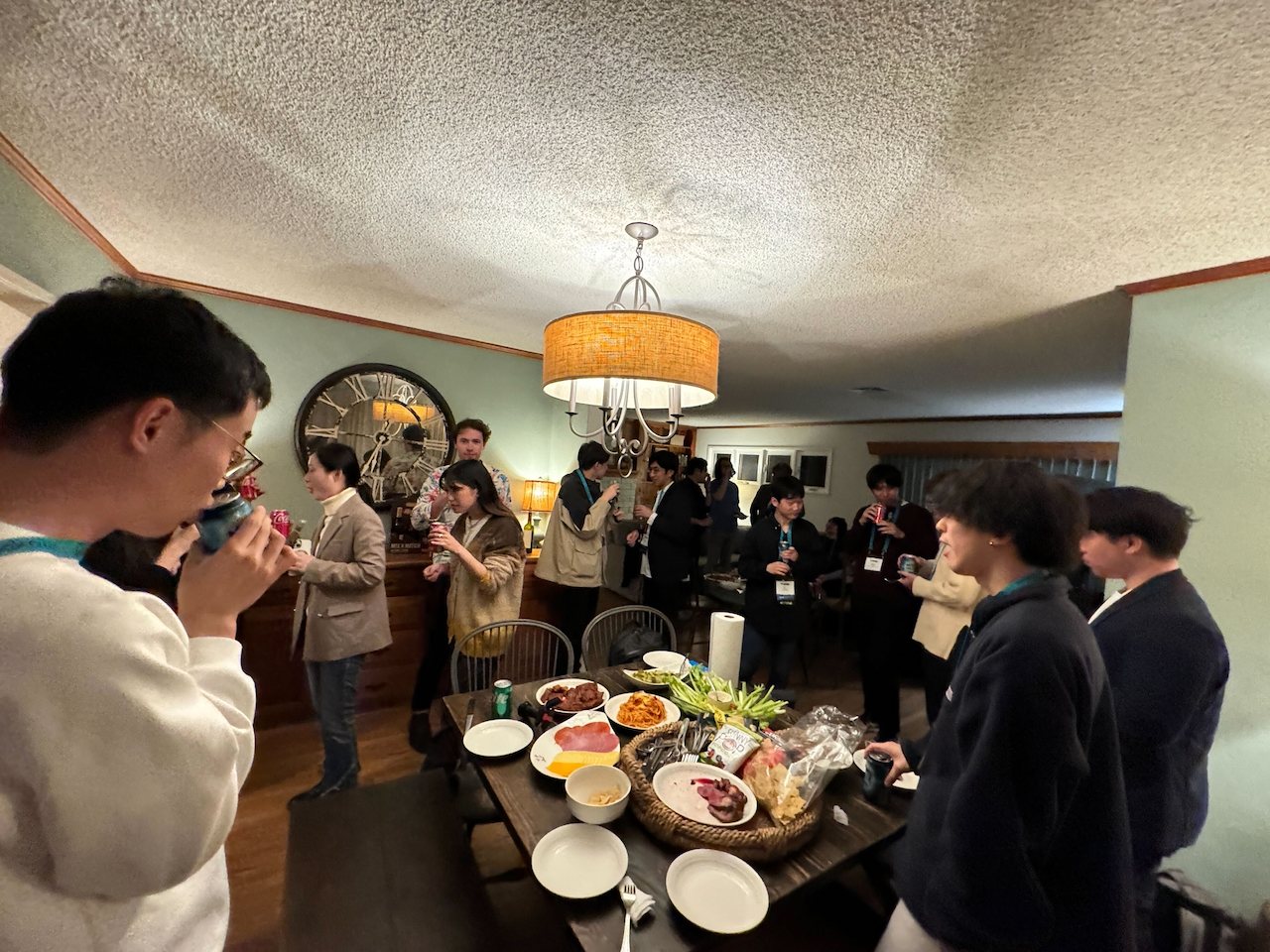
Additionally, we organized a Mini NDSS Japan Night, an event that gathered around 20 researchers/students from the field. This intimate gathering proved to be a productive time for all, fostering discussions and collaborations that could shape the future of security research in Japan. These experiences underscore the importance of community and dialogue in the security research community. We are grateful for the engaging conversations and look forward to contributing further to this vital field.